Personalise your CRP blood test
Add to your test
2 add-ons availableChoose how to collect your sample
5 optionsFinger-prick blood collection
Total price:
£46.00
Includes our
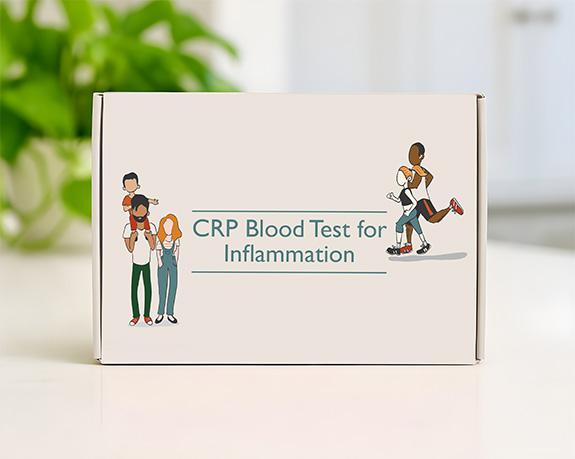
CRP Blood Test for Inflammation
High sensitivity CRP is a marker of inflammation in your body. You can use a high senstivity CRP blood test to pick up even low levels of inflammation which are a risk-factor for heart disease.
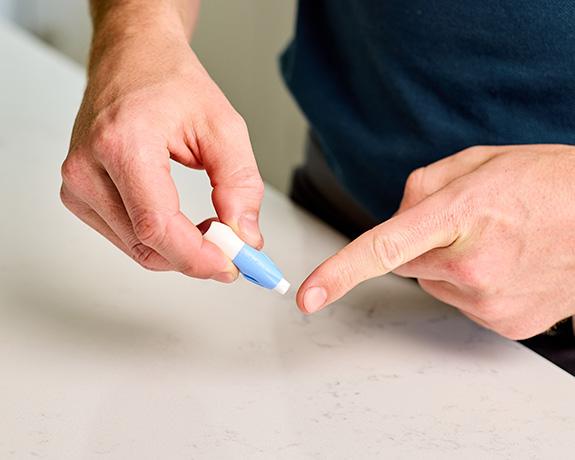
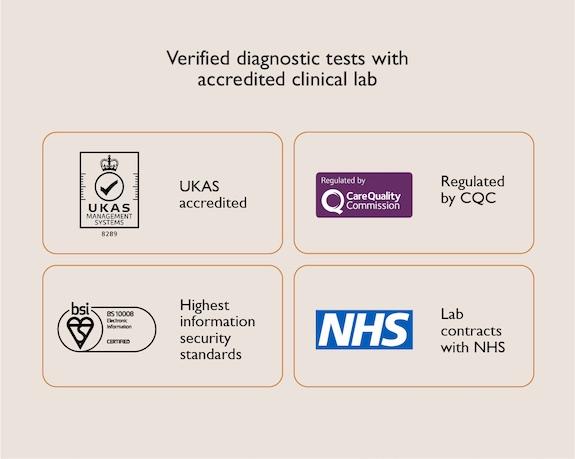
Our CRP Blood Test is a simple finger-prick test you can take at home and send to our NHS-testing lab for analysis. You'll receive a doctor's report with your CRP level and an explanation of what it means for your health.


 Results and doctor's report in 2 days or less
 Free, next-working day delivery
 High sensitivity CRP blood test
Written by Dr Alasdair Scott PhD, GMC-registered doctor and bowel cancer surgeon.
What you need to know about our CRP Blood Test
High sensitivity CRP is a marker of inflammation in your body. In particular, a high sensitivity CRP test can pick up even the lowest levels of inflammation - so-called "chronic low-grade inflammation" - which can be caused by smoking, obesity, high blood pressure and potentially even diet. High sensitivity CRP is often used as a marker of heart disease risk.
What is CRP?
CRP or C-reactive protein is a protein produced by the liver in response to inflammation. We can measure the level of CRP in the blood to determine if there's inflammation in the body.
What does it mean if CRP is high?
A high CRP level can indicate inflammation in the body. This can have a number of causes including:
- Infection
- Injury
- Autoimmune conditions
- Low-grade inflammation from heart disease, fatty liver and gum disease
- Vigorous exercise
- Smoking, obesity and high blood pressure
What level of CRP is concerning?
Inerpretation of CRP level depends on the context. For example, when we're looking for chronic, low-grade infalmmation then a CRP over 1mg/L is high. But if we're looking at CRP in someone with an acute infection, such as in appendicitis, then a CRP over 10mg/L is considered high and it can easily go over 100mg/L.
If you're otherwise well, with no sign of infection or injury (not even a cold!), then your CRP level should be less than 1mg/L. If it's higher than this, then it's worth investigating further.
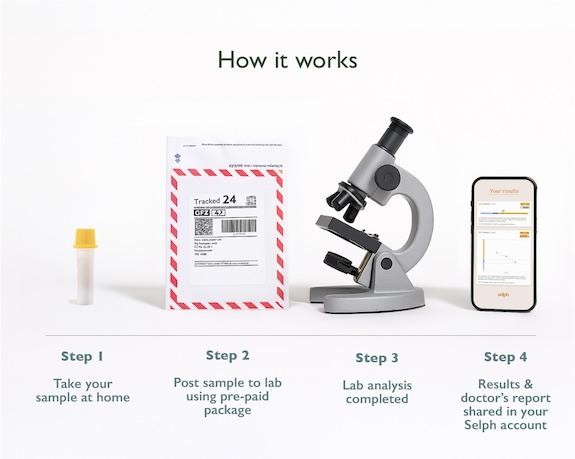
How the CRP blood test works

Do your CRP blood test
You'll get your kit next-working day.
Collect your blood sample at home using the simple test kit and post it back to our accredited lab for analysis.

Get rapid results
You'll get your high sensitivity CRP blood test results quickly.
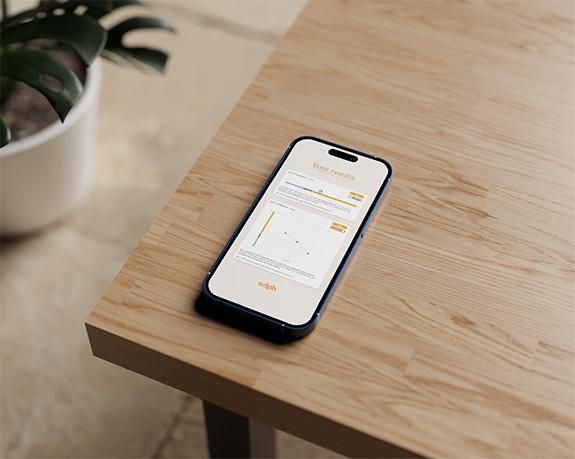
You'll also get a doctor's report explaining your CRP level in clear, everyday language, including whether there are signs of inflammation and what that might mean for your health.

Understand and tackle inflammation
Your report highlights whether inflammation is likely to be an issue and how this could relate to the rest of your health.
We turn your CRP blood test results into practical next steps around lifestyle and any further tests to consider. You can also book a consultation with one of our doctors if you’d like more support (costs extra).
CRP Blood Test FAQs
The CRP blood test is very sensitive and will pick even low levels of inflammation. This means that you should avoid taking the test if you have any acute infections such as a cold or flu or an injury. It's also best not to test until a few days after very strenuous exercise (such as running a marathon).
Reducing your CRP level really depends on the cause. If there's acute inflammation from an infection, injury or inflammatory condition such as inflammatory bowel disease then treating the underlying cause will reduce the CRP level.
On the other hand, if the high CRP level is related to chronic, low-grade inflammation then lifestyle changes can help. For example, losing weight, stopping smoking, reducing alcohol intake, exercising and improving your diet can all reduce CRP levels. In general, a Mediterranean-style diet is associated with lower CRP levels.
Occasionally there are specific but hidden issues that are causing a low-grade inflammation. For example, gum disease is a common cause of low-grade inflammation and high CRP levels. In these cases, treating the gum disease can reduce the CRP level. Similarly, some individuals may be sensitive to certain foods such as wheat or dairy, in which case removing these foods can reduce CRP levels.
With a few exceptions, foods don't directly cause inflammation or protect against it. Some dietary patterns are associated with higher levels of CRP. For example, the "Western diet" which is high in processed foods, sugar and unhealthy fats is associated with higher CRP levels. On the other hand, the Mediterranean diet which is high in fruit, vegetables, whole grains, nuts, seeds and olive oil is associated with lower CRP levels. But this is an association, not causation. It's likely that the Mediterranean diet is associated with lower CRP levels because it's also associated with lower levels of obesity, high blood pressure and diabetes. All of which raise CRP levels.
Similarly, if your CRP is high because you have gum disease or smoke then eating a so-called "anti-inflammatory" diet won't help. You need to treat the gum disease and stop smoking.
Talking about foods as "pro-inflammatory" or "anti-inflammatory" is an oversimplification that misses the point. It's far more helpful to look at the impact that your diet is having on your weight, blood pressure, cholesterol levels and blood sugar levels.
A food "intolerance" or "sensitivity" is when someone experiences symptoms, such as bloating diarrhoea or rashes, after eating certain foods. This is different from a food "allergy" which is a specific type of immune reaction to a food.
In some individuals, food intolerances can cause low-grade inflammation and a slight increase in CRP. In these cases, it can be useful to try excluding a potential food cause from the diet and monitoring the effect on the CRP and any symptoms. Dairy and wheat-containing products are the commonest culprits.
However, it's important to point out that in the majority of people, wheat and dairy do not cause inflammation. In fact, dairy consumption has consistently been shown to be associated with lower levels of inflammatory markers in the bloodref.
Your results and doctor’s report are usually available within 2 working days of your sample arriving at the laboratory. This does not include delivery time, weekends or bank holidays. We’re often faster, but this timeframe is not a guarantee. Adding tests to your panel may occasionally mean that some results take longer.
Still have questions?
If you have any questions, we're here to help. Our customer service team is hands-down the best you'll ever deal with. They're smart, friendly, knowledgeable and will get back to you in a flash.