Comprehensive Parasite Stool Test
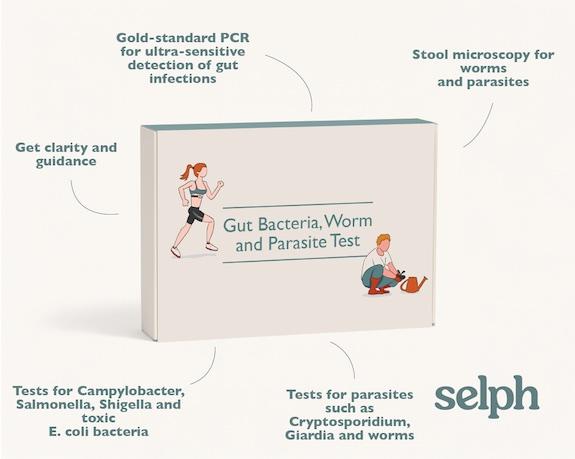
Comprehensive stool testing for parasites, worms and harmful gut bacteria.
Concerned a parasite or other gut infection could be causing your symptoms?
This stool test looks for suspected gut parasite infection as well as worms and common harmful bacteria.
It's best suited to people with relevant exposure or symptoms that make gut infection worth ruling out.
Includes our
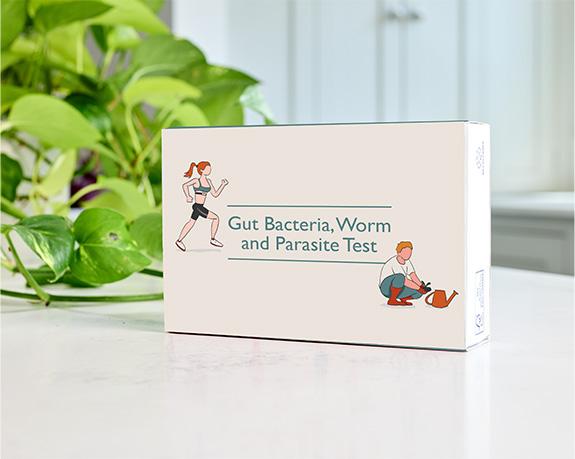
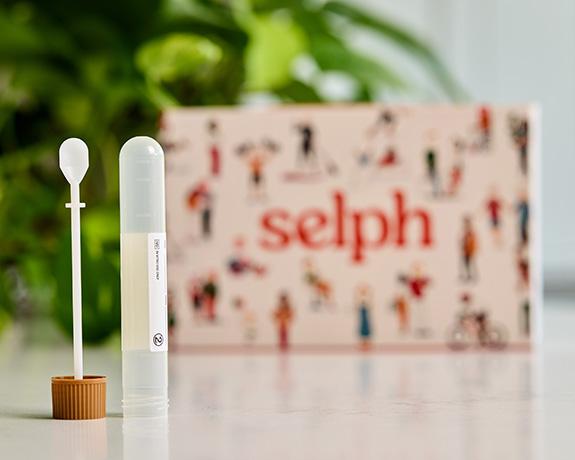
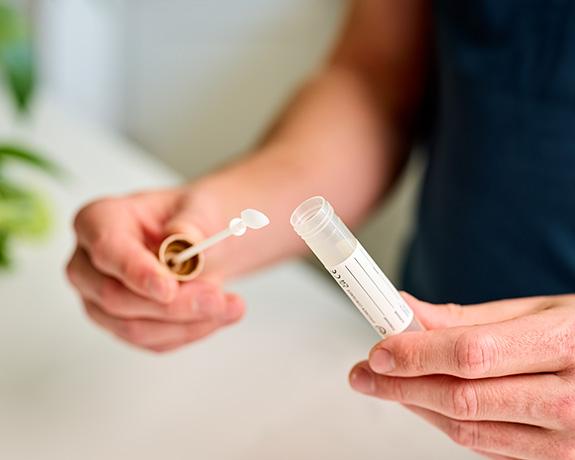
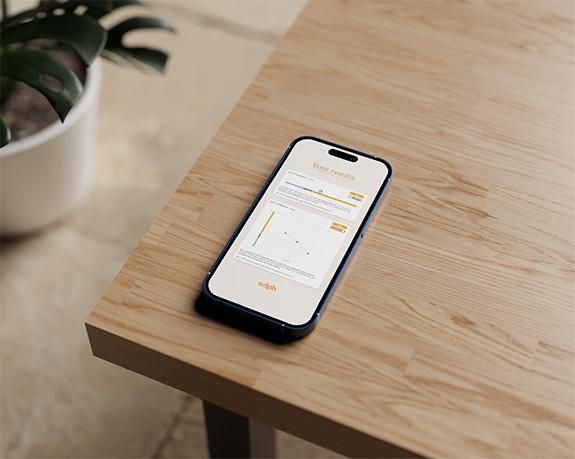
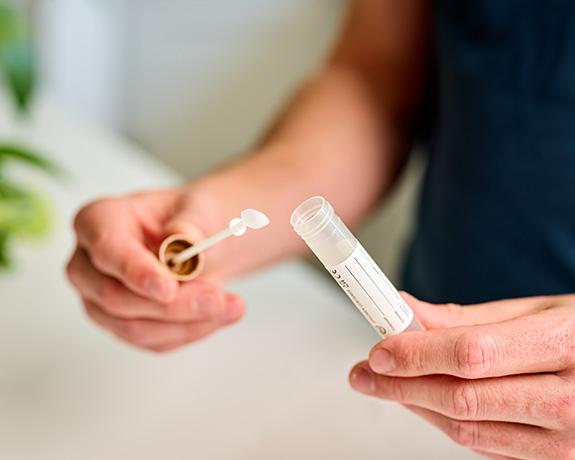
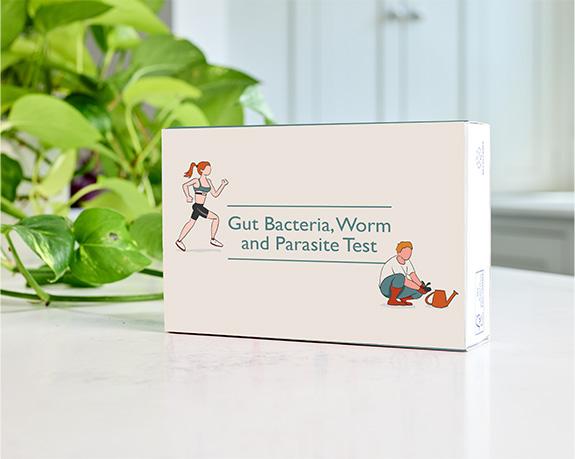
What's included?
- Ova, cysts and parasites test by microscopy.
- Parasite PCR testing for common gut parasites.
- PCR testing for harmful gut bacteria.
- Results and doctor’s report in 6 days or less.
 Results and doctor's report in 6 days or less
 Free, next-working day delivery
 Includes stool microscopy for ova, cysts and parasites
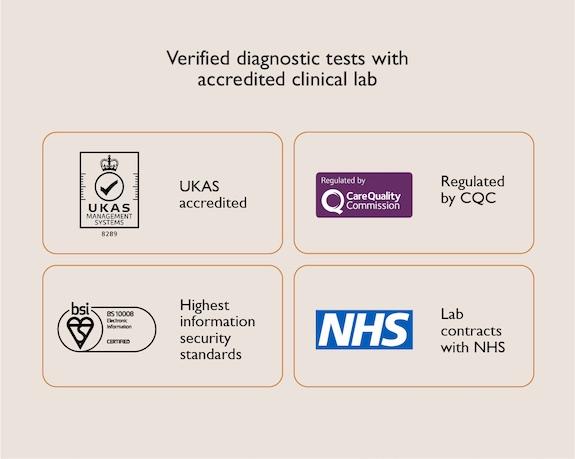
 UKAS accredited lab analysis
Written by Dr Alasdair Scott PhD, GMC-registered doctor and gut health expert.
Is this the right stool test for you?
"In clinical practice, I'm always trying to match the symptoms and overall clinical picture to the right test. This is particularly important with gut health because the same symptoms can have many different causes."
Dr Alasdair Scott PhD
GMC-registered doctor and gut health expert
- Diarrhoea started after travel or possible exposure to contaminated food or water.
- You want to rule out common gut infections before exploring broader explanations.
- Infection feels like the clearest explanation for your symptoms.
- Your main concern is bowel inflammation, bowel cancer screening or coeliac disease.
- You want one broad first-line panel for persistent gut symptoms.
- You are mainly worried about threadworms, which this is not the best test for.
What's included in your core test?
1. PCR (DNA) Testing
Used to check for common bacteria and parasites
2. Stool Microscopy
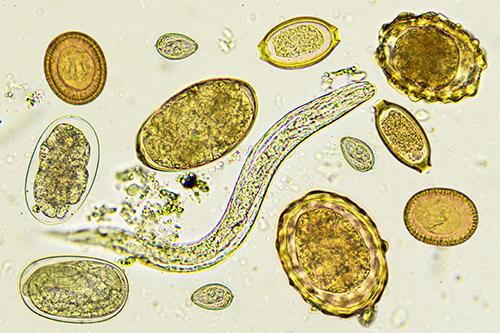
Looks for eggs, cysts and other evidence of parasites and worms (e.g. roundworm, flatworm and tapeworm) in the sample.
Need broader testing?
Choose an advanced test for broader organism coverage.
You can also add other gut tests that may be relevant for your symptoms.
(Click on an organism for more info)
Core test
- Stool microscopy for eggs, cysts and parasites
- 2 x Parasites
- 4 x Bacteria
Upgraded test
- Stool microscopy for eggs, cysts and parasites
- 4 x Parasites
- 14 x Bacteria
- 5 x Viruses
When this test is
most useful
A gut bacteria, worm and parasite test is most useful when infection is a realistic possibility.
- symptoms started after travel
- possible exposure to contaminated food or water
- diarrhoea ongoing and infection worth ruling out
What this test can and can't tell you
Not the best first test for threadworms.
This is not a reliable test for threadworms.
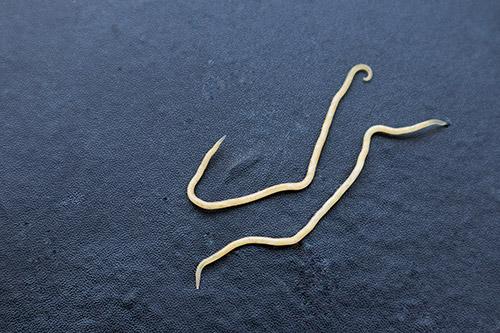
If you think you may have threadworms or can see thread-like worms in your stool you should speak to your pharmacist about treating them directly.
Seeing something in stool doesn't always mean it's a worm.
It's common for undigested food, plant fibres or mucus to be mistaken for worms.
Even if you think you have seen a worm, a stool sample may not confirm this.
A negative result doesn't completely rule out infection.
Parasites and worm infections do not always show up in every sample.
In some cases, eggs or other evidence may not be present in the sample tested, so results should always be interpreted in context.
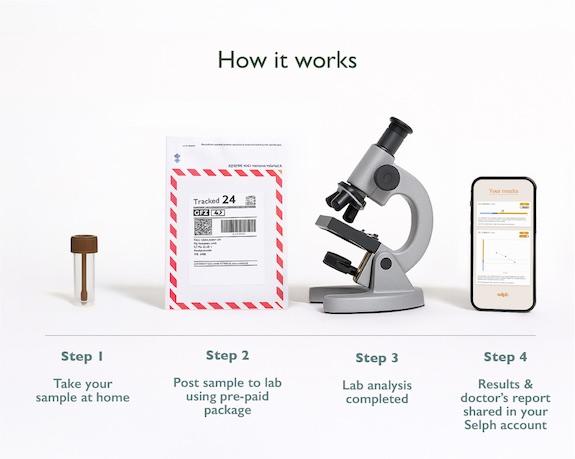
How it works
A simple home test with lab analysis, clear results and next-step guidance.

Choose your test
Select your core test and add any relevant checks before checkout.
Take your stool sample
We’ll send your collection kit quickly and you’ll take your stool samples at home before sending them to our accredited lab.
Take your stool sample
We’ll send your collection kit quickly and you’ll take your stool samples at home before sending them to our accredited lab.
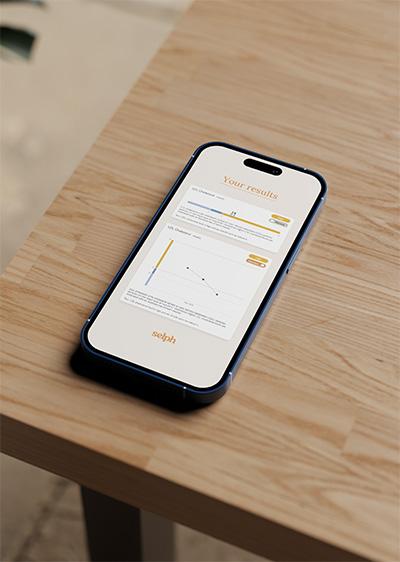
Get your results, quick
You’ll receive your lab results and doctor’s report within a few days. We’ll give you clear advice on what to do next if necessary.
FAQs
This test is most worth considering when infection is a realistic possibility. That might be because symptoms started after travel, after possible food or water exposure, or because diarrhoea is ongoing and you want to rule out an infectious cause. It can also be useful if a doctor has suggested checking for gut infection.
This test is most worth considering when infection is a realistic possibility. That might be because symptoms started after travel, after possible food or water exposure, or because diarrhoea is ongoing and you want to rule out an infectious cause. It can also be useful if a doctor has suggested checking for gut infection.
Not always. If bloating is your main symptom and there is no clear travel or exposure history, infection may not be the most likely explanation. In that situation, another test may be a better first step, depending on whether your symptoms seem more linked to gluten, inflammation, upper digestive symptoms or another cause.
You'd probably find it helpful to compare our gut tests.
Not always. If bloating is your main symptom and there is no clear travel or exposure history, infection may not be the most likely explanation. In that situation, another test may be a better first step, depending on whether your symptoms seem more linked to gluten, inflammation, upper digestive symptoms or another cause.
You'd probably find it helpful to compare our gut tests.
No. This test is designed to look for infectious causes of gut symptoms, including certain bacteria, parasites and worms. Many gut symptoms are caused by other things, such as coeliac disease, bowel inflammation, food-related triggers or functional gut disorders, so this test does not explain every possible cause.
No. This test is designed to look for infectious causes of gut symptoms, including certain bacteria, parasites and worms. Many gut symptoms are caused by other things, such as coeliac disease, bowel inflammation, food-related triggers or functional gut disorders, so this test does not explain every possible cause.
A negative result can still be useful, because it makes an infectious cause less likely. However, it does not completely rule out all gut infections and it does not rule out non-infectious causes of symptoms. If your results are negative and symptoms continue, another test or medical review may still be appropriate.
A negative result can still be useful, because it makes an infectious cause less likely. However, it does not completely rule out all gut infections and it does not rule out non-infectious causes of symptoms. If your results are negative and symptoms continue, another test or medical review may still be appropriate.
This is not the best first test for threadworms. If you have typical threadworm symptoms or can clearly see thread-like worms then pharmacy treatment is often the more practical first step. Stool testing is generally less useful for suspected threadworms than for other parasites and gut infections.
This is not the best first test for threadworms. If you have typical threadworm symptoms or can clearly see thread-like worms then pharmacy treatment is often the more practical first step. Stool testing is generally less useful for suspected threadworms than for other parasites and gut infections.
Not necessarily. Things seen in stool are not always worms — undigested food, plant fibres or mucus can sometimes look similar and are commonly confused for worms.
Even if a worm infection is present, the sample tested may not confirm it if no worms are present in the sample. If you think you may have threadworms, pharmacy treatment is often the more practical first step rather than testing.
Not necessarily. Things seen in stool are not always worms — undigested food, plant fibres or mucus can sometimes look similar and are commonly confused for worms.
Even if a worm infection is present, the sample tested may not confirm it if no worms are present in the sample. If you think you may have threadworms, pharmacy treatment is often the more practical first step rather than testing.
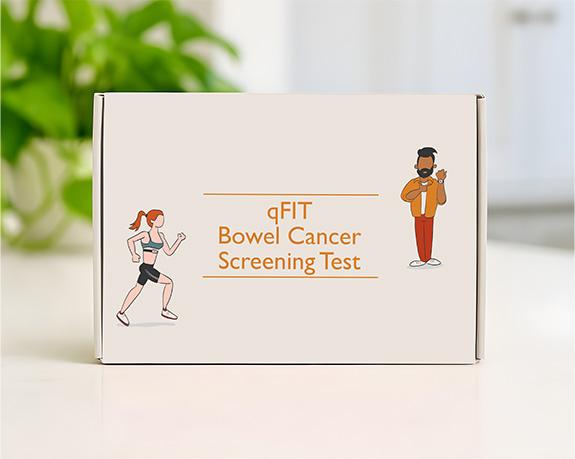
This test is designed to look for infectious causes of gut symptoms, such as certain bacteria, parasites and worms. Other gut tests answer different questions. For example, coeliac tests are used to check for coeliac disease, calprotectin is used to check for bowel inflammation, qFIT checks for hidden blood in the stool and H. pylori testing is more relevant for upper digestive symptoms such as indigestion or reflux.
This test is designed to look for infectious causes of gut symptoms, such as certain bacteria, parasites and worms. Other gut tests answer different questions. For example, coeliac tests are used to check for coeliac disease, calprotectin is used to check for bowel inflammation, qFIT checks for hidden blood in the stool and H. pylori testing is more relevant for upper digestive symptoms such as indigestion or reflux.
Your gut microbiome is the entire collection of bacteria and viruses (amongst others) living in your gut. Our Gut Bacteria, Worm and Parasite Test is not a microbiome test. It is designed as a bacteria, worm and parasite test for people who are concerned they have a gut infection.
In contrast, a microbiome test cannot tell you if you have a gut infection needing treatment and is actually only used for research purposes.
Your gut microbiome is the entire collection of bacteria and viruses (amongst others) living in your gut. Our Gut Bacteria, Worm and Parasite Test is not a microbiome test. It is designed as a bacteria, worm and parasite test for people who are concerned they have a gut infection.
In contrast, a microbiome test cannot tell you if you have a gut infection needing treatment and is actually only used for research purposes.
Once you order, we send your test kit with instructions for collecting your sample at home. You return the sample using the kit provided, and your results are then processed by the lab. When your report is ready, you’ll receive clear results and guidance on what to do next.
Once you order, we send your test kit with instructions for collecting your sample at home. You return the sample using the kit provided, and your results are then processed by the lab. When your report is ready, you’ll receive clear results and guidance on what to do next.
You don't need to make any special preparation for the Gut Bacteria, Worm and Parasite Test. Specifically, you do not need to change your diet or stop any medication, supplement or probiotic.
You don't need to make any special preparation for the Gut Bacteria, Worm and Parasite Test. Specifically, you do not need to change your diet or stop any medication, supplement or probiotic.
Yes, this test can be used in children if sample collection and all testing procedures are undertaken by a responsible adult.
However, it's worth noting that threadworm infections are by far the commonest worm infection in children and it is not necessary to test for this. In fact, this test will often not pick up threadworm infection because the worms live in the anus rather than higher up the bowel.
Yes, this test can be used in children if sample collection and all testing procedures are undertaken by a responsible adult.
However, it's worth noting that threadworm infections are by far the commonest worm infection in children and it is not necessary to test for this. In fact, this test will often not pick up threadworm infection because the worms live in the anus rather than higher up the bowel.