SIBO Breath Test
An at-home hydrogen and methane breath test for suspected SIBO, with doctor-reviewed results and treatment support available.
If you're struggling with gut symptoms and have been on a bit of a journey without answers, our SIBO breath test can help you find out if SIBO could be the cause.
- Lactulose breath test done at home
- Tests for hydrogen and methane
- Doctor-reviewed result and report
- Treatment support available if your result suggests SIBO
Includes our



What's included?
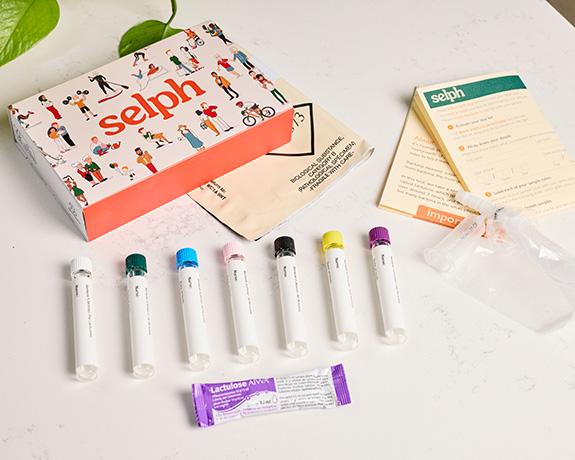
- Everything you need to collect your breath samples at home
- Hydrogen and methane breath analysis.
- Easy-to-understand doctor's report.
- Formal lab report PDF to share with your doctor.
 Results and doctor's report in 8 days or less
 Free, next-working day delivery
 Hydrogen and methane breath test
 Treatment prescribing available
Written by Dr Alasdair Scott PhD, GMC-registered doctor and gut health expert.
Dr Alasdair Scott on SIBO and the SIBO breath test
Is this the right gut test for you?
"SIBO symptoms such as bloating and diarrhoea or constipation can overlap with many other gut conditions so it's important to consider whether a breath test is the best first option for you."
Dr Alasdair Scott PhD
GMC-registered doctor and gut health expert
- You have bloating, gas, diarrhoea, constipation or stomach discomfort.
- You suspect IBS-like symptoms may be linked to SIBO.
- You want an at-home breath test rather than arranging a clinic visit.
- You want doctor-reviewed results and next-step support.
- You have blood in stool, unexplained weight loss, fever, severe pain, or rapidly worsening symptoms.
- You mainly want to check inflammation, coeliac disease, or another cause of gut symptoms.
- You want broad gut screening rather than a targeted SIBO breath test.
How the SIBO breath test works
The Selph SIBO breath test is a lactulose breath test you can do at home.
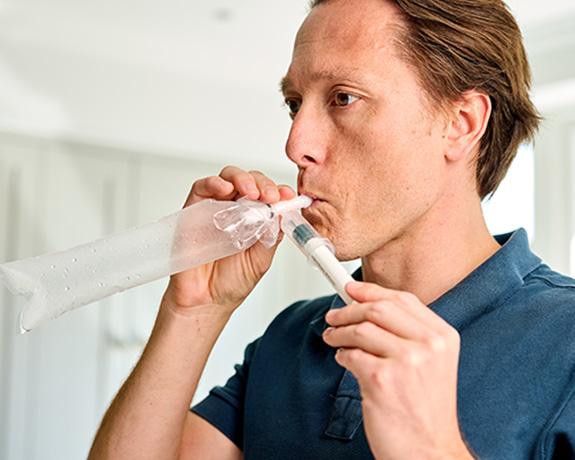
After collecting a baseline breath sample, you drink the lactulose solution and collect further breath samples for 150 minutes. Your samples are analysed for hydrogen and methane and your results are reviewed by a doctor.

Order your test kit
We send everything you need to collect your breath samples at home.
Collect your breath samples
Take a baseline sample, drink the lactulose solution, then collect further samples at set intervals.
Collect your breath samples
Take a baseline sample, drink the lactulose solution, then collect further samples at set intervals.
Get your results, quick
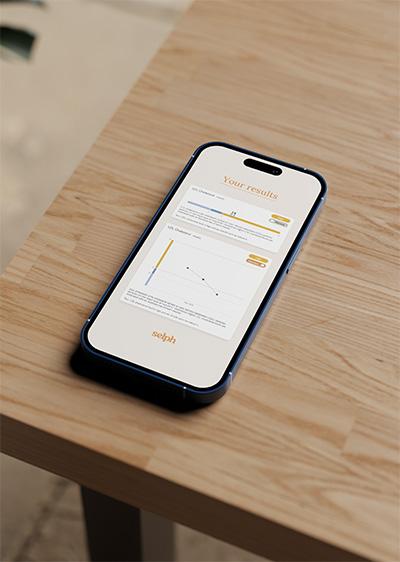
Within about a week, you’ll receive an easy-to-understand doctor-reviewed report with next-steps guidance.

Get treatment support
If your result suggests SIBO, you can book a consultation with one of our gut health doctors who can prescribe treatment.
Get treatment support
If your result suggests SIBO, you can book a consultation with one of our gut health doctors who can prescribe treatment.
What is SIBO?
SIBO (small intestinal bacterial overgrowth) is a common gut condition where there is an excess of bacteria in the small bowel. These bacteria metabolise carbohydrate in your diet to produce gases that lead to symptoms such as bloating. Bacteria can also affect the absorption of fat and vitamins leading to diarrhoea and deficiencies.
Symptoms of SIBO
There are a wide range of potential SIBO symptoms. You can split them into gut-related SIBO symptoms and non-gut-related SIBO symptoms
Gut symptoms
- Bloating
- Excess gas
- Diarrhoea
- Constipation
- Stomach pain
- Nausea
- Reflux
- Bloating
- Excess gas
- Diarrhoea
- Constipation
- Stomach pain
- Nausea
- Reflux
Non-gut symptoms
- Rashes
- Brain fog
- Fatigue
- Joint pain
- Cystitis
- Nutrient deficiencies
- Rashes
- Brain fog
- Fatigue
- Joint pain
- Cystitis
- Nutrient deficiencies
What does the SIBO test measure?
The Selph SIBO breath test measures hydrogen and methane gases in your breath after you drink a lactulose solution. These gases are produced when bacteria ferment carbohydrates in the gut. By measuring how gas levels change over time, the test can help identify patterns that may suggest small intestinal bacterial overgrowth.
Example breath test result
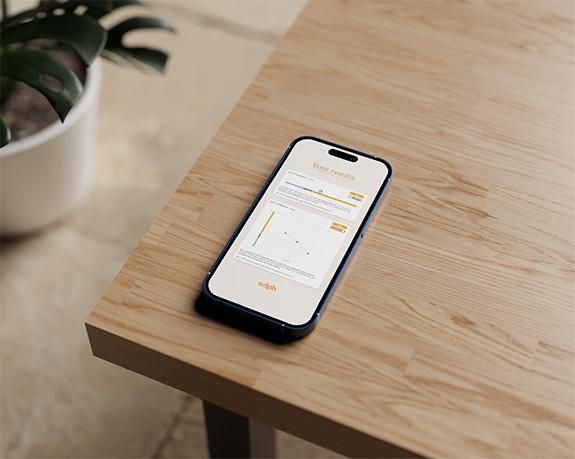
The lab measures hydrogen and methane levels in your breath samples for 150 minutes after drinking lactulose. Your result is reviewed by a doctor and explained clearly in your report.
Hydrogen
A rise in hydrogen during the test may suggest bacterial fermentation occurring earlier than expected.
Hydrogen-positive patterns are often associated with bloating, gas and diarrhoea-type symptoms.
Methane
Methane is produced by methane-generating organisms in the gut.
Higher methane levels are often linked with bloating and constipation-type symptoms which may suggest a type of SIBO called intestinal methanogen overgrowth (IMO).
Your report includes
- Hydrogen and methane levels over the test period.
- Plain English explanation of your result.
- Interpretation by a gut-health doctor.
- Formal lab report you can share.
- Next steps for your treatment plan.
How to prepare for a SIBO breath test
Preparing properly helps make your SIBO breath test result as accurate and useful as possible. Before taking your samples, you'll need to follow some simple guidance around diet, fasting and certain medicines or supplements.
Your kit will include full instructions which you can also download here.
- No antibiotics or antimicrobials.
- No antibiotics or antimicrobials.
- No laxatives. Avoid antacids (such as Rennie / Gaviscon). PPIs (e.g. omeprazole) or H2 antagonists (e.g. ranitidine) are fine to take.
- No laxatives.
- Avoid antacids (such as Rennie / Gaviscon). PPIs (e.g. omeprazole) or H2 antagonists (e.g. ranitidine) are fine to take.
- Limit sugar - no added sugar in drinks or sugary foods such as cakes. No prebiotics or probiotics. No alcohol.
- Limit sugar - no added sugar in drinks or sugary foods such as cakes.
- No prebiotics or probiotics.
- No alcohol.
- No dietary fibre - we'll provide specific guidance on what to eat.
- No dietary fibre - we'll provide specific guidance on what to eat.
- Fast - still water only. No mouthwash or toothpaste - you can brush your teeth with water. No chewing gum
- Fast - still water only.
- No mouthwash or toothpaste - you can brush your teeth with water.
- No chewing gum
- No smoking. No physical activity. No sleeping.
- No smoking.
- No physical activity.
- No sleeping.
How to take a SIBO test
Your kit includes everything you need to collect your breath samples at home. Before testing, you'll follow the preparation instructions, then collect breath samples over 150 minutes after drinking the lactulose solution. Read our article on how to take a breath test or watch the video for a step-by-step.
Prepare before your test
Follow the diet, fasting and medication guidance included with your kit.
Take your baseline sample
Collect your first breath sample before drinking lactulose.
Drink the lactulose solution
This allows the lab to measure how hydrogen and methane change over time.
Collect timed samples
Take further breath samples at the specified times, then return your kit using the prepaid packaging.
Results and SIBO treatment support
From your symptoms to treatment options, we help you understand what your result means and what to do next.
Symptoms
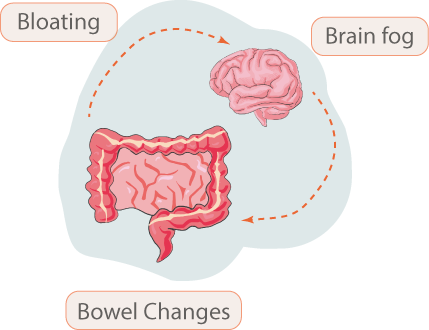
Bloating, gas, bowel changes and brain fog are frustrating when the cause is unclear.
Take the breath test
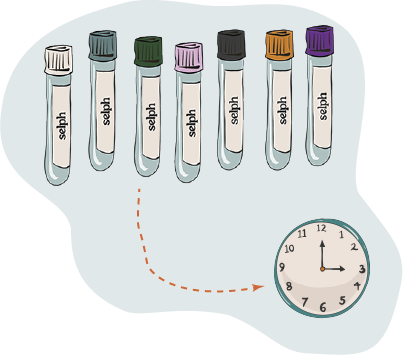
Collect timed breath samples at home after drinking the lactulose solution included with your kit.
Lab analysis
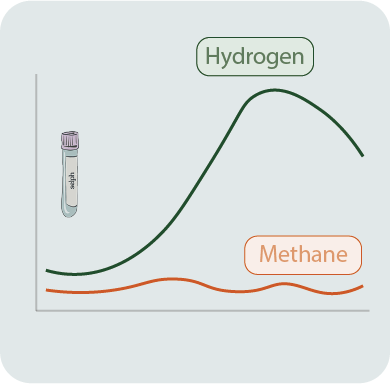
The lab measures hydrogen and methane over time to look for patterns that may suggest SIBO.
Doctor's report
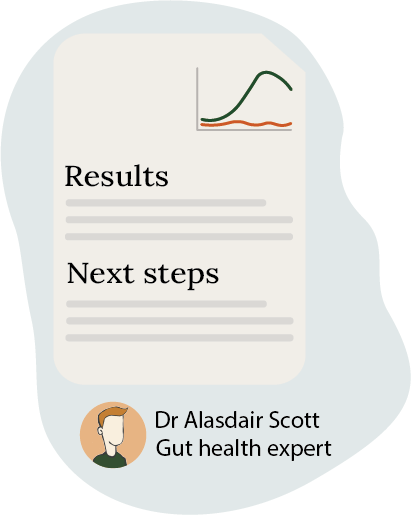
A doctor reviews your result in context and explains what your breath test pattern means.
Speak to a doctor

If your result suggests SIBO, you can book a consultation to discuss treatment options.
Personalised next steps
Where appropriate, your doctor can discuss treatment options, diet changes and follow-up advice.
FAQs
A SIBO test is used to help investigate small intestinal bacterial overgrowth. The most common type is a breath test, which measures gases in your breath after you drink a sugar solution such as lactulose. If bacteria are fermenting the solution earlier than expected, this can cause changes in breath hydrogen or methane levels that may suggest SIBO.
A SIBO test is used to help investigate small intestinal bacterial overgrowth. The most common type is a breath test, which measures gases in your breath after you drink a sugar solution such as lactulose. If bacteria are fermenting the solution earlier than expected, this can cause changes in breath hydrogen or methane levels that may suggest SIBO.
With an at-home SIBO breath test, you collect a series of breath samples at set times after drinking a lactulose solution. The samples are then posted to the lab, where hydrogen and methane levels are measured. Your Selph report explains your result pattern in plain English alongside the formal lab result.
With an at-home SIBO breath test, you collect a series of breath samples at set times after drinking a lactulose solution. The samples are then posted to the lab, where hydrogen and methane levels are measured. Your Selph report explains your result pattern in plain English alongside the formal lab result.
The most widely used non-invasive test for suspected SIBO is a hydrogen and methane breath test. The best option for you depends on your symptoms, medical history and whether you need clinical support after the result. Selph’s SIBO breath test can be taken at home and includes hydrogen and methane analysis and a doctor-reviewed report. Treatment support if appropriate, including prescription of antibiotics, is also available.
The most widely used non-invasive test for suspected SIBO is a hydrogen and methane breath test. The best option for you depends on your symptoms, medical history and whether you need clinical support after the result. Selph’s SIBO breath test can be taken at home and includes hydrogen and methane analysis and a doctor-reviewed report. Treatment support if appropriate, including prescription of antibiotics, is also available.
Yes. The Selph SIBO breath test measures both hydrogen and methane in your breath samples. This is important because different gas patterns may be linked with different symptom patterns and may affect how your result is interpreted.
Yes. The Selph SIBO breath test measures both hydrogen and methane in your breath samples. This is important because different gas patterns may be linked with different symptom patterns and may affect how your result is interpreted.
No, the Selph SIBO breath test doesn't test directly for hydrogen sulfide. This is a difficult gas to measure for a number of reasons requiring specialist equipment which isn't readily available. However, people with hydrogen sulfide SIBO tend to have a particular hydrogen gas pattern with a so-called "flatline" response. This is where hydrogen levels remain extremely low throughout the test. In the right clinical context, this pattern can indicate hydrogen sulfide SIBO without needing to test for the gas directly.
No, the Selph SIBO breath test doesn't test directly for hydrogen sulfide. This is a difficult gas to measure for a number of reasons requiring specialist equipment which isn't readily available. However, people with hydrogen sulfide SIBO tend to have a particular hydrogen gas pattern with a so-called "flatline" response. This is where hydrogen levels remain extremely low throughout the test. In the right clinical context, this pattern can indicate hydrogen sulfide SIBO without needing to test for the gas directly.
The sample collection process takes around 150 minutes after drinking the lactulose solution. During this time, you collect breath samples at set intervals. You should also allow time beforehand to follow the preparation instructions, as diet, fasting and some medicines or supplements can affect the result.
The sample collection process takes around 150 minutes after drinking the lactulose solution. During this time, you collect breath samples at set intervals. You should also allow time beforehand to follow the preparation instructions, as diet, fasting and some medicines or supplements can affect the result.
You’ll need to follow the preparation instructions included with your kit. This involves avoiding certain foods, probiotics, antibiotics or other medicines for a period before testing, and fasting before you collect your samples. Good preparation is important because it helps make the result easier to interpret.
You can find more information on how to take a SIBO breath test in our dedicated article and video.
You’ll need to follow the preparation instructions included with your kit. This involves avoiding certain foods, probiotics, antibiotics or other medicines for a period before testing, and fasting before you collect your samples. Good preparation is important because it helps make the result easier to interpret.
You can find more information on how to take a SIBO breath test in our dedicated article and video.
Antibiotics, probiotics and some other medicines or supplements may affect SIBO breath test results. You may need to stop these for a period before testing, depending on what you are taking and your clinical situation. Follow the preparation instructions included with your kit, and check with a doctor before stopping any prescribed medicine.
Antibiotics, probiotics and some other medicines or supplements may affect SIBO breath test results. You may need to stop these for a period before testing, depending on what you are taking and your clinical situation. Follow the preparation instructions included with your kit, and check with a doctor before stopping any prescribed medicine.
In general, most GPs do not have access to SIBO breath testing. However, sometimes they may be able to refer you to a gastroenterology clinic that can test for SIBO. Unfortunately, its availability is a bit of a postcode lottery and the majority of clinics do not offer SIBO testing.
In general, most GPs do not have access to SIBO breath testing. However, sometimes they may be able to refer you to a gastroenterology clinic that can test for SIBO. Unfortunately, its availability is a bit of a postcode lottery and the majority of clinics do not offer SIBO testing.
Yes, SIBO can often be treated, but the right approach depends on your symptoms, result pattern, medical history and possible underlying causes. Treatment may involve antibiotics, herbal antimicrobials, dietary changes, addressing motility or other contributing factors, and follow-up support. Your result needs to be interpreted in clinical context.
Yes, SIBO can often be treated, but the right approach depends on your symptoms, result pattern, medical history and possible underlying causes. Treatment may involve antibiotics, herbal antimicrobials, dietary changes, addressing motility or other contributing factors, and follow-up support. Your result needs to be interpreted in clinical context.
Yes, our gut-health doctors can prescribe treatment (including antibiotics) for SIBO after reviewing your test results. Once you receive your results, you can book a consultation with one of our gut-health experts to discuss your results and treatment options (extra consultation charges apply).
Yes, our gut-health doctors can prescribe treatment (including antibiotics) for SIBO after reviewing your test results. Once you receive your results, you can book a consultation with one of our gut-health experts to discuss your results and treatment options (extra consultation charges apply).
Theoretically your GP can prescribe treatment for SIBO. However, in practice most GPs are not comfortable interpreting SIBO breath test results and prescribing treatment as it is a specialist area. This is why we offer consultations with our gut-health doctors who have expertise in SIBO and can prescribe treatment if appropriate after reviewing your results.
Theoretically your GP can prescribe treatment for SIBO. However, in practice most GPs are not comfortable interpreting SIBO breath test results and prescribing treatment as it is a specialist area. This is why we offer consultations with our gut-health doctors who have expertise in SIBO and can prescribe treatment if appropriate after reviewing your results.
Your samples are sent to our specialist lab partner in Europe for analysis. It usually takes about 2-5 days for samples to arrive.
Once the lab has received your samples, we generally have results in a few days. However, at most it can take up to 7 working days to get your results.
Your samples are sent to our specialist lab partner in Europe for analysis. It usually takes about 2-5 days for samples to arrive.
Once the lab has received your samples, we generally have results in a few days. However, at most it can take up to 7 working days to get your results.
A positive SIBO breath test means your hydrogen or methane pattern meets criteria that may suggest small intestinal bacterial overgrowth or methane-associated overgrowth. We can also indirectly assess the likelihood of hydrogen sulfide SIBO. However, the breath test results are not diagnostic on their own and need to be interpreted in the context of clinical history, other relevant tests and symptoms.
A positive SIBO breath test means your hydrogen or methane pattern meets criteria that may suggest small intestinal bacterial overgrowth or methane-associated overgrowth. We can also indirectly assess the likelihood of hydrogen sulfide SIBO. However, the breath test results are not diagnostic on their own and need to be interpreted in the context of clinical history, other relevant tests and symptoms.
No. IBS is a symptom-based diagnosis, while SIBO refers to excess bacteria in the small intestine. The two can overlap because SIBO can cause IBS-like symptoms such as bloating, gas, diarrhoea, constipation and stomach pain.
However, studies suggest that many people diagnosed with IBS actually have SIBO. In fact, UK guidelines for the management of IBS also recommend the same antibiotic treatment used in SIBO in some patients.
You can read more about the link between SIBO and IBS in our dedicated article here.
No. IBS is a symptom-based diagnosis, while SIBO refers to excess bacteria in the small intestine. The two can overlap because SIBO can cause IBS-like symptoms such as bloating, gas, diarrhoea, constipation and stomach pain.
However, studies suggest that many people diagnosed with IBS actually have SIBO. In fact, UK guidelines for the management of IBS also recommend the same antibiotic treatment used in SIBO in some patients.
You can read more about the link between SIBO and IBS in our dedicated article here.
One difficulty with gut symptoms is that different conditions can cause the same symptoms. For example, gut inflammation, H. pylori infection and coeliac disease all have significant symptom overlap with SIBO.
Adding on a calprotectin test, H. pylori test or coeliac disease test can help to rule out these conditions and give you more confidence in your SIBO result interpretation. This is why we offer the ability to "add-on" these extra tests to your SIBO test package.
You can find out more about gut tests and compare options with our gut health testing guide.
One difficulty with gut symptoms is that different conditions can cause the same symptoms. For example, gut inflammation, H. pylori infection and coeliac disease all have significant symptom overlap with SIBO.
Adding on a calprotectin test, H. pylori test or coeliac disease test can help to rule out these conditions and give you more confidence in your SIBO result interpretation. This is why we offer the ability to "add-on" these extra tests to your SIBO test package.
You can find out more about gut tests and compare options with our gut health testing guide.
The Selph SIBO breath test costs £175 and includes the at-home test kit, hydrogen and methane breath analysis, free delivery, a formal lab result and a doctor-reviewed Selph report. If your result suggests SIBO, treatment consultation support is available separately (£125) if appropriate and includes the cost of prescribing.
The Selph SIBO breath test costs £175 and includes the at-home test kit, hydrogen and methane breath analysis, free delivery, a formal lab result and a doctor-reviewed Selph report. If your result suggests SIBO, treatment consultation support is available separately (£125) if appropriate and includes the cost of prescribing.
The hydrogen and methane breath test following lactulose is the recommended method for diagnosing SIBO. However, as with any test, it can give false positive and false negative results.
Studies have shown that if you have a positive SIBO breath test then there's about 60-70% chance that your symptoms will respond to SIBO treatment. On the other hand, if you have a negative SIBO breath test result, then the chance that you'll respond to treatment is only about 20%.
The hydrogen and methane breath test following lactulose is the recommended method for diagnosing SIBO. However, as with any test, it can give false positive and false negative results.
Studies have shown that if you have a positive SIBO breath test then there's about 60-70% chance that your symptoms will respond to SIBO treatment. On the other hand, if you have a negative SIBO breath test result, then the chance that you'll respond to treatment is only about 20%.